

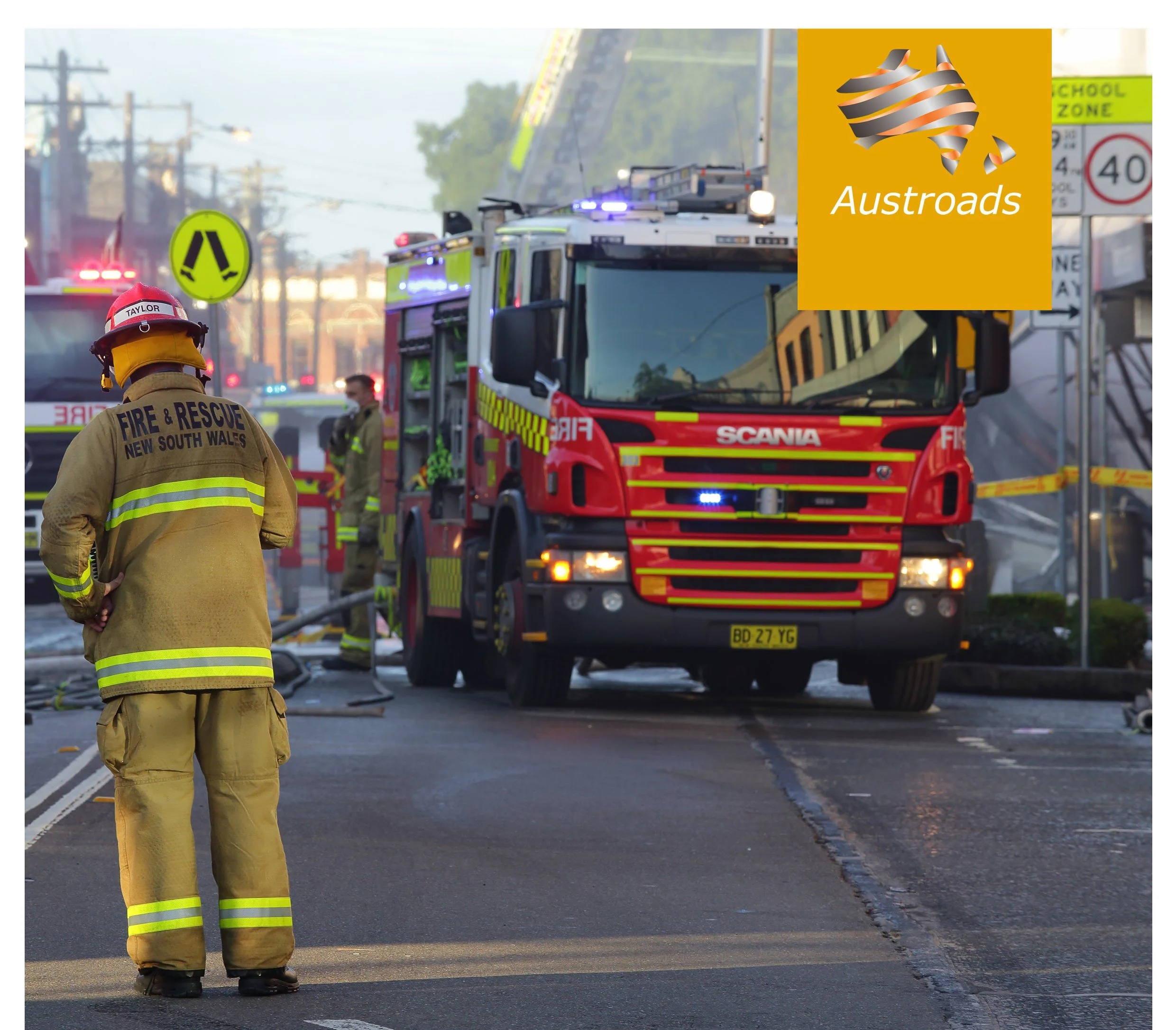
National Electric Vehicle Incident Response Framework
Project: Incident Response for Low and Zero Emission Vehicles
Client: Austroads: the association of the Australian and New Zealand transport agencies, representing all levels of government.
Date: 2025
Overview
Eukai was engaged by Austroads to establish and project manage a nationally significant research program examining the implications of electric vehicle (EV) incidents for road authorities across Australia and New Zealand. The project responded to the rapid uptake of EVs and the need for nationally consistent guidance on managing emerging risks associated with lithium-ion battery incidents, network disruption and infrastructure resilience.
Will Fooks led the project from inception to completion. He developed the project scope, prepared the procurement documentation, managed the consultant procurement process, established the governance framework, and oversaw project delivery through to publication. Acting on behalf of Austroads, Will coordinated engagement with transport agencies, emergency services and industry representatives across every Australian jurisdiction and New Zealand.
Scope
The project developed a comprehensive evidence base to support future road authority policy and operational practice. Key components included:
National project scoping and procurement.
Working as a collaborative team with GHD and EVFiresafe
Stakeholder engagement with road agencies, emergency services and industry.
Oversight of all aspects of recommendations.
GHD and EVFiresafe delivered a framework considered the full incident lifecycle, including planning, detection, response deployment, incident management, clearance and network recovery.
Outcomes
The project produced one of the first nationally coordinated frameworks examining the operational implications of electric vehicle incidents for road authorities. It established practical guidance to improve incident management, protect critical transport infrastructure and strengthen network resilience as EV adoption increases.
The recommendations support road authorities in planning for extended incidents, improving operational preparedness, coordinating multi-agency responses and reducing the impacts of incidents on the road network. The work provides a foundation for future national policy, operational guidance and research into transport resilience and critical infrastructure management.
For more information on this project or critical infrastructure futures, contact Will Fooks.
The guidance is available on Austroads Website (just sign up for free access) - Link to report